November 28, 2026
What to check before choosing local weekend events
By @nearbyliving
A spare afternoon can fill up quickly, especially when several good things are happening nearby. The trick is to narrow the choices before the day arrives, so the outing feels easy rather than rushed. Local weekend events work best when the practical details match the mood you want, whether that means a lively concert, a relaxed market, a family activity, comedy, games, festivals or an arts session.
Start with the basics: the date, the time and the place. A listing can look perfect until you notice it runs at the same hour as another plan, or that the venue sits across town from where you expected. Check the date range if an event forms part of a longer programme, then look for an opening time or start time that fits your day. A short trip with children, a quiet morning or an evening with friends all need different timing.
Set the tone before you browse
The best choice depends less on what is popular and more on what suits the people going. A high energy festival may be ideal for a group that wants noise and movement, while a craft market may suit a slower pace. Comedy and games bring their own rhythm, and family activities often need clearer timing around meals, naps and travel.
Think about the kind of day you want, then use the event category as a filter rather than a strict rule. Someone planning a birthday treat might pair a market with lunch. A person new to an area might choose a festival because it gives a broad introduction to local groups and venues. Keeping the mood in mind stops the search from turning into a long scroll through options that all look similar.

Details worth checking before you commit
- Date and start time. Confirm the day, the hour and whether entry is at a set time or across a wider window. This prevents clashes and reduces the chance of arriving after the main part has finished.
- Venue location. Read the address or map pin carefully. A familiar street name can appear in more than one area, and a venue may have several entrances or rooms.
- Travel distance. Look beyond the postcode. Parking, public transport, walking time and road conditions can turn a nearby event into a tiring trip.
- Admission fee. Check whether entry is free, ticketed, or split into separate costs for activities, workshops or performances. Knowing this early keeps expectations clear.
- Age and access notes. Look for guidance on children, step-free entry, seating, prams and quiet spaces. These details matter when the group has mixed needs.
On townwild.com, concerts, games, comedy, festivals, family activities, markets, arts and other local events can be discovered on an interactive map. That kind of view helps when the decision depends on distance between venues. It can also make it easier to see whether a morning market and an afternoon performance sit close enough together to pair them without a frantic dash.
Match the event to the day you actually have
A common mistake is choosing an event as if the day were empty, then fitting real life around it. Work backwards from the time everyone needs to be home, or from the last transport connection you are willing to use. If the outing involves children or older relatives, leave room for a break. If it is a spontaneous solo plan, a tighter schedule may be fine.
Travel is where many plans wobble. A venue across town may be easy on a map but awkward at a busy weekend hour. Check the route you would take in both directions, and allow a buffer for queues, weather and parking. If the event is in a busy centre, decide in advance whether you are aiming for a nearby car park, a station, or a drop-off point. That small decision can shape the whole outing.
Read the listing like a practical notice
Good listings answer the questions a visitor would ask at the door. Look for the event category, a clear description, the venue location, the date range and any stated entry conditions. If a listing mentions a programme, check whether individual sessions need separate registration. If it mentions a performance, check the running time and whether late entry is allowed.
Watch for wording that leaves a gap. Phrases such as all day, family friendly or suitable for all ages can be useful, but they may not tell you about noise, crowding, seating or food. For a sensitive child, a lively festival can feel overwhelming even when it is advertised for families. For an adult who wants a calm hour, a market at its busiest point may not deliver that. The description gives a starting point, not the whole picture.
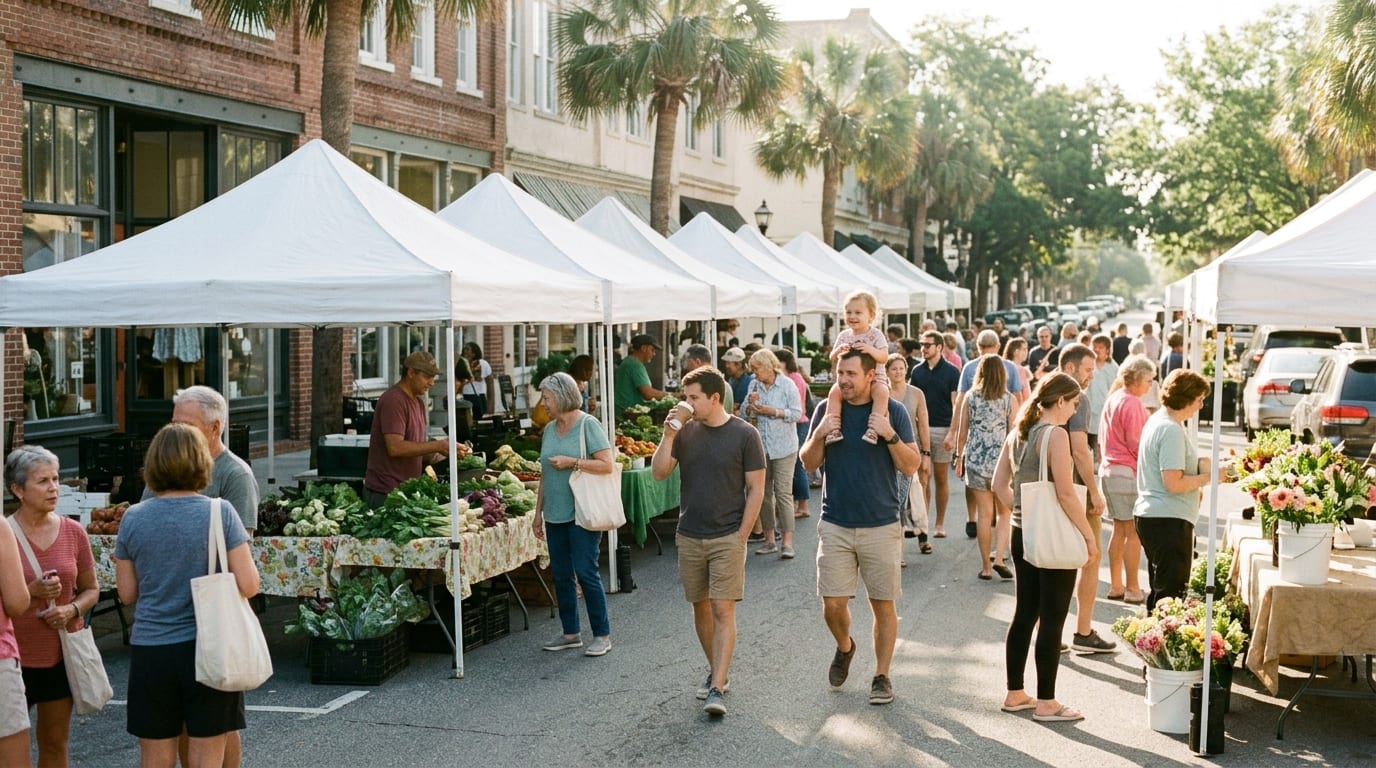
Weather deserves a brief check too. Outdoor events can change character quickly, and some activities depend on dry ground or clear conditions. If rain is likely, decide whether the venue has shelter, indoor space, or nearby places to pause. A light backup plan keeps the day flexible without taking over the plan.
Make a simple order for the day
Once the main event is chosen, arrange the rest around it in a loose order. A useful pattern is arrival, main activity, food or rest, then one optional extra. This gives the day a shape while leaving space for a long conversation, a queue, or a sudden decision to stay longer somewhere that turns out to be enjoyable.
If two events are on the same day, keep them close in spirit and distance. A morning arts session followed by an afternoon market can work well. A concert followed by a distant family activity may feel like two separate outings forced into one. The aim is not to squeeze in as much as possible, but to leave enough time for each thing to be enjoyed.
For groups, share the key details before setting off. Confirm the meeting point, the expected arrival time and what happens if people get separated. At a festival or busy venue, mobile signal can be uneven and voices carry less than people expect. A clear plan reduces small annoyances and lets everyone pay attention to the event itself.

Know when to swap the plan
Even a well chosen event can be wrong on the day. If travel is delayed, a ticket window has passed, the weather has turned, or one member of the group is tired, a swap may be better than pushing on. Keep one nearby alternative in mind, such as a shorter activity, a market stall area, or a quieter indoor venue. Local weekend events are easiest to enjoy when the plan can bend a little.
Before leaving, check the final practical points again: start time, venue location, admission fee, what to bring and the route home. That final pass takes little effort and catches the errors that spoil a day. With the main details settled, there is more room for the part that matters, which is simply being there and taking in what is happening around you.
❧